Authentic Maryland Crab Cakes: A Local's Guide to Chesapeake Flavor
For anyone who calls Maryland home, the mere mention of "crab cakes" conjures up more than just a dish; it evokes a way of life, a connection to the bountiful Chesapeake Bay that runs as deep as its waters. These aren't just any crab cakes; these are
Maryland crab cakes, a culinary icon woven into the very fabric of local culture. Growing up along the Bay, you quickly learn that crabs, especially the coveted blue crab, are treasures – akin to finding gold. They're celebrated in summer feasts, family gatherings, and everyday meals, marking special occasions and the simple joy of good food. The authentic Maryland crab cake is a testament to this reverence, a dish where the star ingredient, the succulent crab meat, shines brightest, unmasked by excessive fillers or overpowering spices. It's a flavor profile that resonates with generations, passed down from kitchen to kitchen, each family guarding its subtle secrets to perfection. When you taste a true Maryland crab cake, you're not just enjoying a meal; you're experiencing a piece of Chesapeake heritage, a tradition that locals fiercely protect and proudly share with the world.
The Soul of the Chesapeake: Why Maryland Crab Cakes Reign Supreme
What makes an authentic
Maryland crab cake stand head and shoulders above its imitators? It all boils down to a fundamental philosophy: celebrate the crab. Marylanders have an almost religious devotion to minimal filler, ensuring that the sweet, delicate flavor of the blue crab meat is the unequivocal star of the show. This isn't just a preference; it's a deep-seated culinary principle born from proximity to the source. When you have access to the freshest, highest-quality crab meat, why would you dilute its essence?
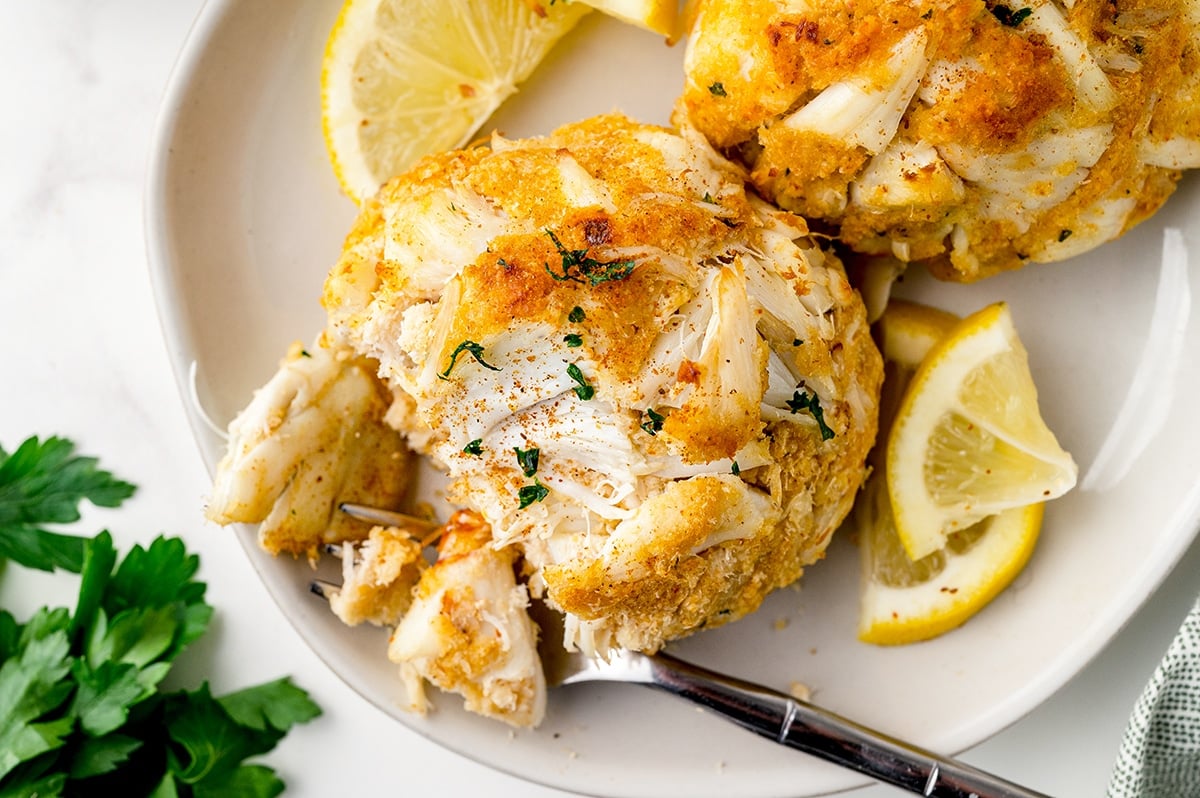
The "big on crab, light on filler" mantra is more than a catchy phrase; it's the defining characteristic. While some recipes might bulk up with breadcrumbs or other binders, a true Maryland crab cake uses just enough to hold the glorious lumps of crab together, allowing its natural sweetness and ocean brininess to dominate the palate. Accenting this pristine flavor are subtle hints of lemon, fresh parsley, and, of course, the indispensable Old Bay seasoning. This iconic spice blend, a Maryland staple, provides a nuanced warmth and a touch of zest without ever overwhelming the delicate crab. It's a symphony of flavors where each note plays its part perfectly, ensuring that every bite delivers an unadulterated taste of the Chesapeake. The texture is equally crucial: an irresistibly crispy exterior that gives way to a tender, juicy interior packed with whole, discernible pieces of crab meat. This commitment to quality and simplicity is what cements the Maryland crab cake's legendary status, captivating locals and visitors alike with its unparalleled taste.
The Anatomy of an Authentic Maryland Crab Cake: It's All About the Crab
Understanding the various types of crab meat is paramount to crafting the perfect
Maryland crab cake. The quality and cut of your crab meat directly impact both the flavor and texture of your finished dish. Here's a breakdown of what you'll typically find:
*
Jumbo Lump Crab Meat: Often considered the "king" of crab meat, these large, off-white pieces come from the two swimmer fin muscles of the crab. They are incredibly sturdy, visually impressive, and boast a rich, sweet flavor. Due to their scarcity (only two per crab), jumbo lump is the most expensive and highly prized, often reserved for stand-alone preparations or luxurious crab cakes where its integrity can truly shine.
*
Lump Crab Meat: Slightly smaller than jumbo lump but still off-white and robust, lump crab meat consists of broken pieces of jumbo lump and other large flakes from the crab's body. It retains excellent flavor and texture, making it ideal for chunky, substantial crab cakes that still offer a premium experience without the top-tier price tag of jumbo lump. This is often the preferred choice for many authentic Maryland crab cake recipes.
*
Backfin Crab Meat (Flake): Also off-white and derived from the body, backfin can include smaller flakes and some broken lump pieces. It's flakier than lump and jumbo lump but still offers good flavor. It's a versatile choice, suitable for crab cakes where a slightly less chunky texture is acceptable, or for incorporating into soups and dips.
*
Claw Crab Meat: Distinctly darker in color, claw meat comes from the crab's claws. While it has a stronger, more assertive "crabby" flavor, it's less sweet and not typically used as the primary crab meat in classic Maryland crab cakes due to its color and denser texture. However, it can add depth when mixed with lighter meats or used in dishes where a bolder crab flavor is desired.
For the truest
Maryland crab cakes, aiming for lump or jumbo lump crab meat is key. These varieties provide the desired chunky texture and sweet flavor that defines the dish. When sourcing, always look for fresh, pasteurized crab meat that smells faintly of the ocean – never fishy. This foundational choice ensures your crab cakes embody the authentic taste of the Chesapeake. For an even deeper dive into achieving the perfect texture and flavor, exploring resources like
Maryland's Best Crab Cakes: Flavor First, From Bay to Table can provide invaluable insights into ingredient selection and preparation.
Crafting Perfection: Secrets to a Flawless Crab Cake
Creating a truly exceptional
Maryland crab cake involves more than just selecting premium ingredients; it's about mastering the technique. The goal is to bind the magnificent crab meat with just enough seasoning and binder to hold its shape, without obscuring its natural grandeur.
The process begins with gently whisking together your binders and flavorings – typically a light mayonnaise, an egg (or a touch of Dijon mustard for extra binding power), a splash of fresh lemon juice, a dash of Worcestershire sauce, finely chopped fresh parsley, and, of course, a generous sprinkle of Old Bay seasoning. Once this flavorful base is ready, the most critical step follows: adding the crab meat. Gently fold the crab meat into the binder mixture. This cannot be stressed enough:
gently fold. Over-mixing is the archenemy of the lump crab cake, as it will break down the delicate crab lumps, resulting in a shredded, mushy texture rather than the desired chunky bite.
After combining, refrigerate the mixture for at least 30 minutes, or even an hour. This crucial step allows the binders to firm up and the flavors to meld, ensuring the crab cakes hold their shape during cooking, especially important given the minimal filler. Skipping this step often leads to crumbly cakes.
When it comes to cooking, baking is the preferred method for authentic, thick, jumbo-style
Maryland crab cakes. While some home cooks opt for pan-frying, this often necessitates flattening the cakes into patties to ensure even cooking, sacrificing that coveted plumpness. Baking at a very high temperature (often 400°F or even 425°F) achieves a beautifully golden-brown, crispy exterior while keeping the interior moist and succulent, cooking the cakes quickly in about 12-14 minutes. Ensure your baking sheet is well-greased or lined with parchment paper. Portion the mixture using a 1/2 cup measure for generously sized cakes, gently shaping them into plump rounds before placing them on the hot sheet. This high-heat, short-duration bake yields an extra plump and juicy crab cake that’s true to its Maryland roots. For more detailed instructions on perfecting your baking technique, refer to resources like
Bake Perfect Maryland Crab Cakes: Jumbo Lump & Minimal Filler Secrets.
Beyond the Plate: Serving Your Maryland Crab Cake Masterpiece
Once your perfectly baked
Maryland crab cakes emerge from the oven, glistening and fragrant, the final step is to serve them in a way that truly honors their distinction. Versatility is one of their many charms.
For a classic experience, present them as a magnificent main dish, perhaps accompanied by a simple side like coleslaw, roasted asparagus, or a light green salad with a vinaigrette dressing. A fresh lemon wedge is non-negotiable, as a squeeze of citrus brightens the rich crab flavor beautifully. And, of course, a creamy, homemade tartar sauce or a spicy remoulade is the ideal complement, offering a tangy counterpoint without overpowering the delicate crab.
Another popular and equally satisfying option is to transform your crab cake into an iconic sandwich. Nestled on a toasted potato roll or a soft brioche bun, perhaps with a dollop of tartar sauce and a crisp lettuce leaf, the
Maryland crab cake sandwich is a quintessential Chesapeake delight.
For entertaining, shaping smaller portions into mini crab cakes creates an impressive and crowd-pleasing appetizer or finger food. These bite-sized treasures are perfect for parties, offering a taste of Maryland elegance to your guests. Leftovers, if you're lucky enough to have any, are a rare treat. They can be gently reheated in the oven or enjoyed cold in a salad, making them a fantastic quick dinner solution or an impressive addition to any menu. Whether served hot and fresh from the oven or reimagined for another meal, the authentic Maryland crab cake promises an unforgettable culinary experience every time.
Conclusion
The authentic
Maryland crab cake is more than just a recipe; it's a culinary heritage, a proud symbol of the Chesapeake Bay's bounty, and a cherished tradition passed down through generations. From the meticulous selection of jumbo lump crab meat to the delicate hand-folding, the subtle kiss of Old Bay, and the high-heat bake, every step is a testament to the respect for the star ingredient. This isn't just food; it’s a way of life that locals guard with passion, knowing that the simple elegance of pure crab flavor needs little embellishment. To savor a true Maryland crab cake is to taste the essence of the Bay, to understand why these succulent morsels are so deeply ingrained in the heart and soul of Maryland cuisine. It's an experience that leaves an indelible impression, a craving for that unique, unparalleled Chesapeake flavor that keeps people coming back for more, time and time again.