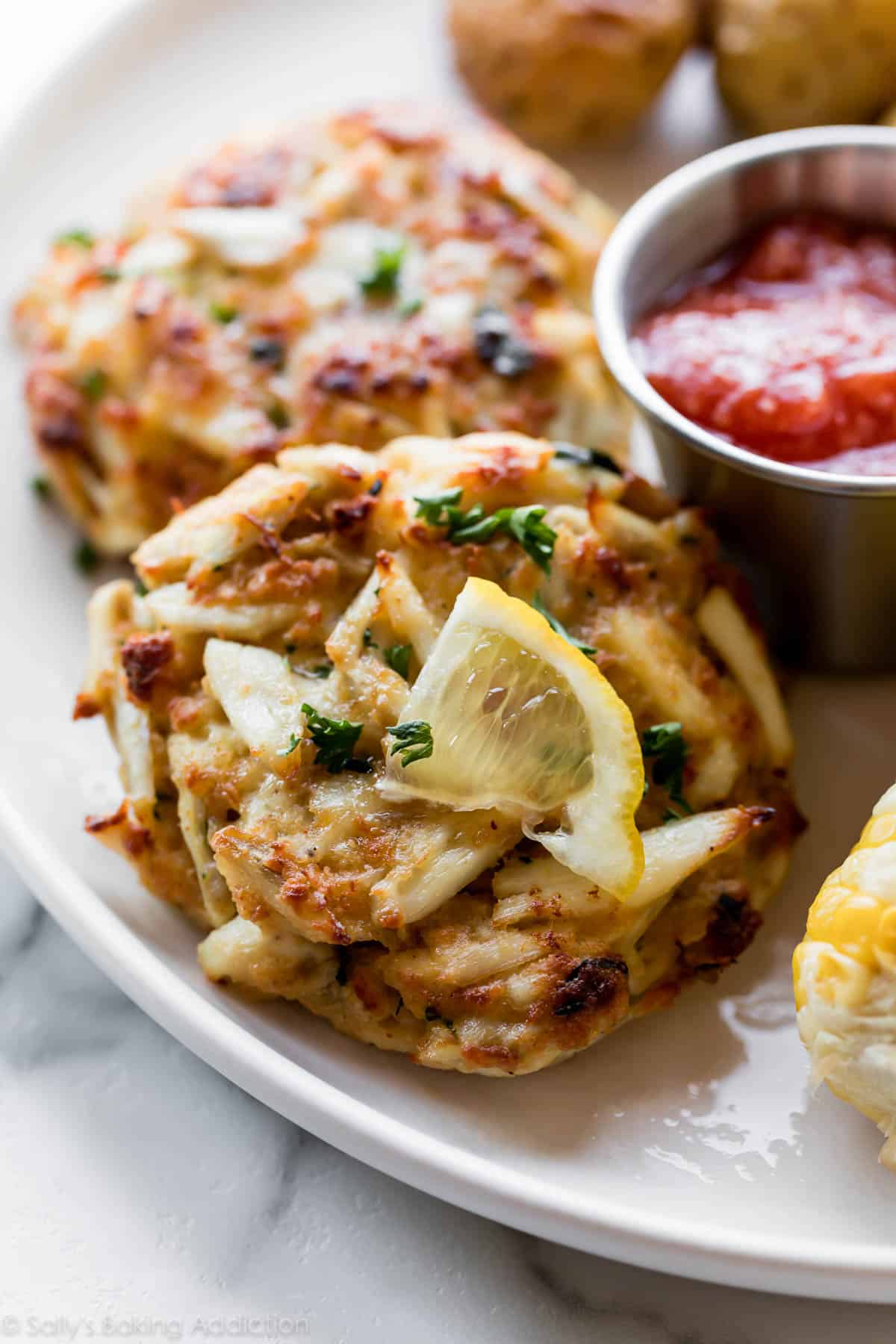
The Soul of Maryland: Why Crab Cakes Reign Supreme
In Maryland, the mention of "crab cakes" doesn't just evoke a dish; it stirs a deep sense of tradition, pride, and culinary heritage. For those of us who call the Chesapeake Bay region home, crabs aren't merely seafood—they are a cultural cornerstone, as vital to our identity as the rolling tides themselves. This isn't an exaggeration; it's a way of life, ingrained in our summers, our family gatherings, and our very definition of comfort food. My own memories are steeped in the aroma of Old Bay and fresh crab, a weekly ritual that many Marylanders share, passed down through generations.
When we talk about authentic Maryland crab cakes, we're talking about a philosophy: flavor first. This means celebrating the sweet, succulent taste of fresh crab meat above all else. Unlike many crab cakes found outside the state, the genuine Maryland article champions minimal filler, allowing the star ingredient to shine brightly. It's a testament to the quality of our local blue crabs and the time-honored techniques perfected in kitchens across the state. Every bite should transport you to the shores of the Chesapeake, a truly unique gastronomic experience that locals and out-of-towners alike rave about.
The Anatomy of a Perfect Maryland Crab Cake: Quality Over Quantity
What truly sets Maryland crab cakes apart is an unwavering commitment to quality, particularly when it comes to the crab meat itself. This isn't a dish where you can skimp on ingredients; the secret to an unforgettable crab cake lies in understanding the nuances of the crab and treating it with the reverence it deserves.
The Star: Premium Crab Meat
The foundation of any exceptional crab cake is, naturally, the crab meat. In Maryland, we have a particular preference, and for good reason:
- Jumbo Lump Crab Meat: This is the crème de la crème, originating from the crab's two large swimmer fin muscles. It's off-white, exceptionally sturdy, and boasts a wonderfully sweet flavor. Due to its scarcity and impressive size, jumbo lump is the most expensive, often reserved for dishes where its grandeur can be fully appreciated, like a standalone appetizer or a luxurious topping.
- Lump Crab Meat: A close second in desirability, lump crab meat comes from the body of the crab and is slightly smaller than jumbo lump but equally sturdy and flavorful. Its chunky texture makes it absolutely ideal for those coveted, meaty maryland crab cakes. This is often the preferred choice for its balance of quality and accessibility.
- Backfin Crab Meat (or Flake): Also derived from the body, backfin is a mix of smaller pieces of lump and other body meat. It's flakier and still offers a good flavor, making it a versatile option for crab dips, stuffings, or when a slightly less robust texture is desired.
- Claw Crab Meat: Distinctly darker in color, claw meat has a stronger, richer "crabby" flavor but is less sweet and sturdy than its lumpier counterparts. While delicious in bisques or stews, it's generally not used for traditional Maryland crab cakes, as it can overpower the delicate balance of flavors.
For truly authentic maryland crab cakes, lump or jumbo lump is paramount. It's the key to achieving that desirable chunky texture and ensuring the inherent sweetness of the crab shines through with every bite.
The Unsung Heroes: Bindings and Seasonings
Once you have your premium crab meat, the next crucial step is what *not* to do: don't smother it. The Maryland philosophy demands a light hand with binders and seasonings. The goal is to enhance, not overpower, the crab's natural flavor.
- Minimal Filler: This is non-negotiable. Authentic maryland crab cakes use just enough binder—typically a small amount of mayonnaise, a whisked egg, and a scant portion of crushed saltine crackers or Panko breadcrumbs—to hold the cakes together. The idea is that you should taste crab, not breading. Overly bready crab cakes are a culinary faux pas in Maryland.
- Old Bay Seasoning: This iconic blend is practically synonymous with Maryland seafood. Its unique mix of celery salt, paprika, red pepper, and other spices provides that distinctive, zesty kick that perfectly complements the crab without dominating it. It’s a flavor profile that immediately identifies a dish as truly Maryland.
- Fresh Lemon and Parsley: A squeeze of fresh lemon juice brightens the crab meat, adding a touch of acidity that elevates the overall flavor. Fresh parsley contributes a subtle, herbaceous note and a vibrant speckle of green, adding to the cake's visual appeal.
These elements, when balanced correctly, create a symphony of flavors that honor the star ingredient while providing just the right amount of zest and structure.
Crafting Your Own Culinary Masterpiece: Tips for Authentic Maryland Crab Cakes
Bringing the authentic taste of the Chesapeake Bay to your own kitchen is entirely achievable with a few key techniques. These aren't just steps; they're critical traditions that ensure your maryland crab cakes live up to their reputation.
Gentle Mixing is Key
Once your binders and seasonings are whisked together, it's time to introduce the crab meat. This step requires a delicate touch. Gently fold the lump crab meat into the mixture. The goal is to coat the crab lightly without breaking apart those precious lumps. Over-mixing is the enemy of a good crab cake; it pulverizes the texture and releases excess moisture, resulting in a dense, less appealing cake. Think of it as carefully tossing a salad, rather than kneading dough.
The Chill Factor: A Non-Negotiable Step
Perhaps one of the most overlooked, yet vital, steps in creating perfect maryland crab cakes is refrigeration. After mixing, cover the crab cake mixture and chill it for at least 30 minutes. This critical period allows the flavors to meld and, more importantly, firm up the mixture. With minimal filler, the cakes are inherently delicate. Chilling ensures they maintain their shape when formed and don't fall apart during cooking. It's a simple step that makes all the difference in achieving a structurally sound, yet tender, crab cake.
Baking for Perfection: The Maryland Way
While some culinary traditions advocate for pan-frying crab cakes, in Maryland, for the truly jumbo-lump, thick-style crab cakes, baking is overwhelmingly preferred. Pan-frying often requires flattening the cakes into patties to ensure even cooking, which detracts from their plump, substantial appeal. For comprehensive guidance on achieving that perfect texture and flavor, refer to our detailed article on Bake Perfect Maryland Crab Cakes: Jumbo Lump & Minimal Filler Secrets.
Here’s why baking triumphs:
- Maintains Shape and Juiciness: Baking at a high temperature (typically around 400-425°F or 200-220°C) allows the crab cakes to cook quickly and evenly without being flattened. This preserves their plump, majestic form and locks in moisture, resulting in a juicy interior.
- Crisp, Golden Exterior: A very hot oven creates a beautiful, golden-brown crust on the outside, providing a delightful textural contrast to the tender, flaky crab within.
- Less Fat: Baking requires significantly less oil than frying, making it a slightly lighter option without sacrificing flavor or texture.
Always preheat your oven to a very high temperature and generously grease your baking sheet. Portion the chilled mixture into individual cakes (a ½ cup measure works well for generous servings) and place them on the prepared pan. Bake for approximately 12-14 minutes, or until golden brown and cooked through.
From Kitchen to Table: Serving Maryland's Finest
The versatility of maryland crab cakes is part of their enduring appeal. They transition effortlessly from a sophisticated appetizer to a hearty main course, always leaving a lasting impression.
- As a Main Dish: Serve them proudly with classic sides like crisp coleslaw, sweet corn on the cob, or a light green salad with a vinaigrette dressing. The simplicity of the sides allows the crab cake to remain the star.
- The Classic Sandwich: For an iconic Maryland experience, serve your crab cake nestled in a toasted potato roll or brioche bun, perhaps with a slice of ripe tomato and a crisp lettuce leaf. A dollop of tartar sauce elevates it further.
- Elegant Appetizers: Shaped smaller, mini crab cakes make fabulous finger foods for entertaining. They're an impressive crowd-pleaser that can be prepared in advance.
When it comes to sauces, keep it simple. A classic homemade tartar sauce with dill and capers, or a zesty cocktail sauce, are traditional choices. Some prefer a vibrant remoulade for an added kick. For beverages, a crisp white wine like Sauvignon Blanc, a local craft beer, or even a refreshing iced tea, pair wonderfully with the delicate flavors of the crab.
Conclusion
Authentic maryland crab cakes are more than just a recipe; they are a culinary journey steeped in tradition, respect for fresh ingredients, and a passion for flavor. From the sparkling waters of the Chesapeake Bay to your table, each crab cake tells a story of careful preparation, minimal fuss, and an unwavering commitment to letting the star ingredient—the sweet, succulent crab meat—shine. By embracing the principles of minimal filler, premium crab meat, gentle mixing, and high-heat baking, you too can craft a dish that captures the true essence of Maryland's gastronomic heart. So, whether you're a seasoned chef or an enthusiastic home cook, we encourage you to savor the joy of creating and enjoying these quintessential treasures.
